
The Right to the City: Busking, Data, and Everyday Life
 Jess Reia is an Assistant Professor of Data Science & Public Policy and a faculty co-lead at the Digital Technology for Democracy Lab, University of Virginia. In 2025, Reia was selected as an Andrew Carnegie Fellow and a Research Associate at the Data & Society Research Institute. A policymaker by training, Reia has collaborated with governments for over a decade and conducted research that has been published in four languages. Before joining UVA, Reia worked at McGill University in Montreal and the Center for Technology & Society at FGV Law School in Rio de Janeiro.
If you ever walk around downtown in your city, chances are you will see a street performer playing and passing the hat. Sometimes also called buskers or street musicians, these artists chose the city as their stage and became a key component of urban life for centuries. However, for such a ubiquitous practice, present throughout history, very little data is available on busking and its performers.
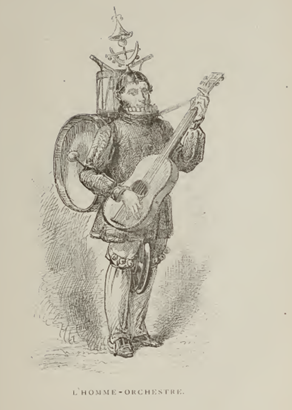
When I started writing my first book, Urban Music Governance: What Busking Can Teach Us About Data, Policy and Our Cities (2025), I was curious about this lack of data, studies, or even basic information about people performing in the streets. In Rio de Janeiro, where I used to live, busking was in the news every other week, mostly related to conflicts between artists and security guards in the metro, the police forcibly taking away musical instruments, and the musicians organizing to be recognized as artists by the government and the public. I also had been involved in policy efforts regarding the right to the city, a concept first discussed by Henri Lefebvre in 1968 and later adapted, reclaimed and reimagined, making its way to important international documents such as the New Urban Agenda signed in Quito in 2016.
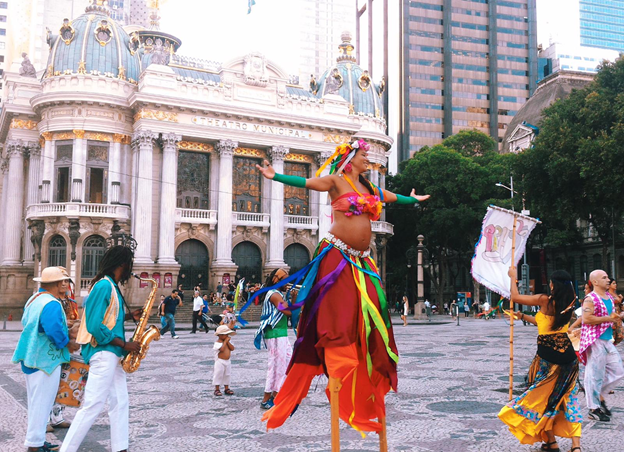
Given its informal and marginal conditions of existence, busking highlights disputes around public spaces and the right to the city. Often stigmatized, from poverty to precarity, this practice also pinpoints broader issues of cohabiting urban spaces with others: noise, mobility, cultural policy, uses of public spaces, safety, and more. With the growing digitization of our lives, questions about the purpose of playing in the streets are also being raised. In 2014, in the face of a lack of data and advocacy for a law to protect them, street performers in Rio decided to take matters into their own hands and created a “census.” This survey, called a census of buskers in Rio, gathered data on over 4,000 artists and presented it to the city. What they told me at the time was that the government only listens to numbers. All that work paid out, as the artists got the right to perform in public spaces through the “Street Performer’s Law,” public funding to bring spectacles to lower-income neighbourhoods, and a Festival to promote the practice.
It took me over 10 years to complete this book. In 2015, I moved from Rio to Montreal, having the chance to talk to politicians, policymakers, buskers, and data collectors in both cities, one far north, the other far south. The research was conducted in three languages (French, Portuguese and English), and the results seen in the book are an endeavor to retrieve, collect, and analyze data from a practice that left few traces behind.
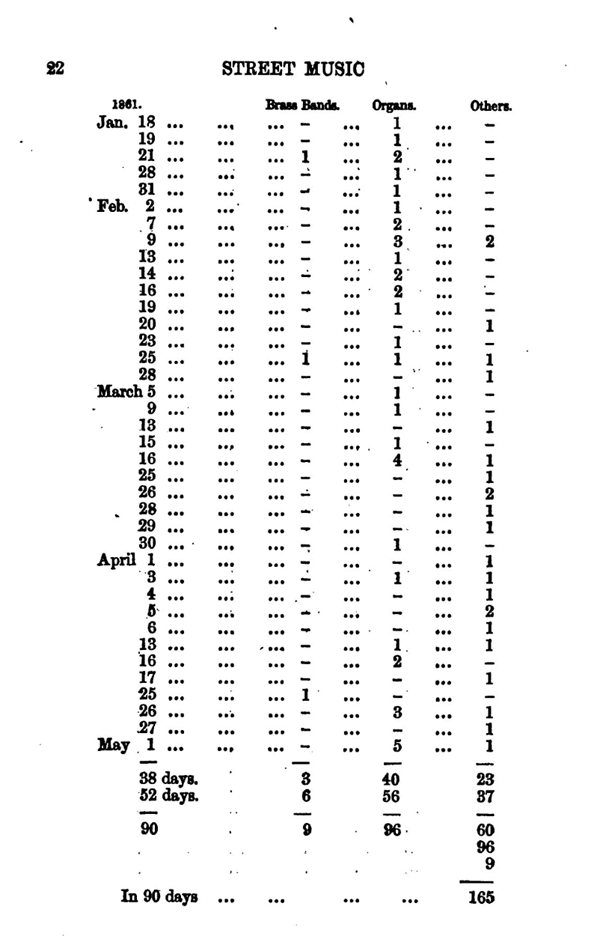
In this process, I had to be creative and work with broader understandings of data. I found useful information in unusual places: police reports detailing noise complaints in Victorian London, observations of travelers in 19th-century France, news articles about the fight to play in the metro systems in the 20th century, and a number of licenses and permits issued for street performance. It was a long journey that culminated in an international account of how busking has been documented, what kind of data is available, and why we should care about it.
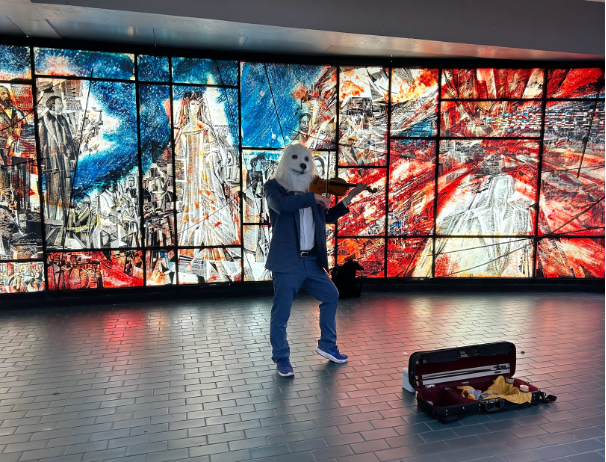
We should care about busking because it teaches us about who has the right to our cities and who does not. It also highlights disputes around concepts of rest, ownership, noise, culture, and accessibility. The way a local government treats buskers usually reflects how it treats informal workers – from street vendors to gig workers such as delivery drivers – and unhoused communities. It also shows the importance of responsible governance mechanisms that consider those who are less visible as data points in policymaking, and how significant certain practices can be in making our cities more enjoyable.
A free digital version of the book can be downloaded here: https://intellectdiscover.com/content/books/9781835950869#chapters
- A Point of No Return in America’s Revolution: The Proclamation of Rebellion
- When You Meet a Survivor, You Become a Witness
- Engaging the Teens in Your Life & How We Can Strengthen Afterschool
- UVA Club of Charlottesville: August Hoos Playing Mahjong
- Virginia Club of New York: August Wahoo Wednesday
- UVA Club of Fairfield/Westchester: Private Group Tour of Lyndhurst Mansion